

About Us Section Patterns and Design Guidance

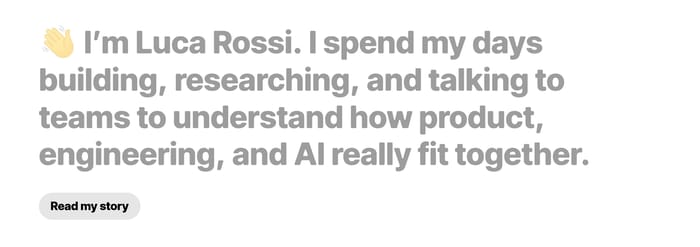
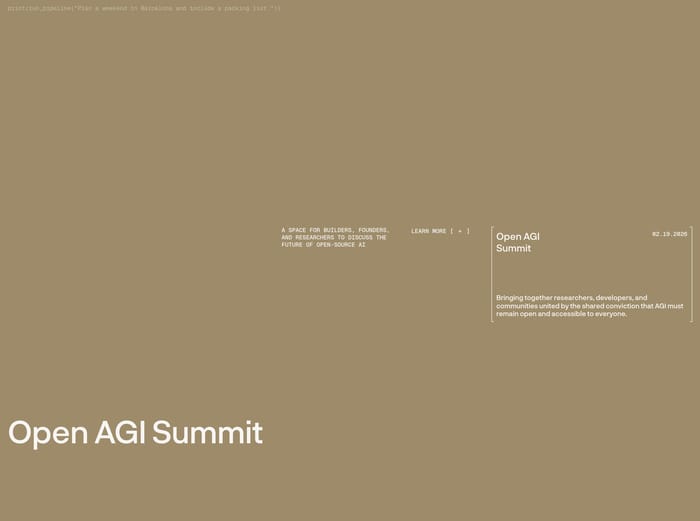
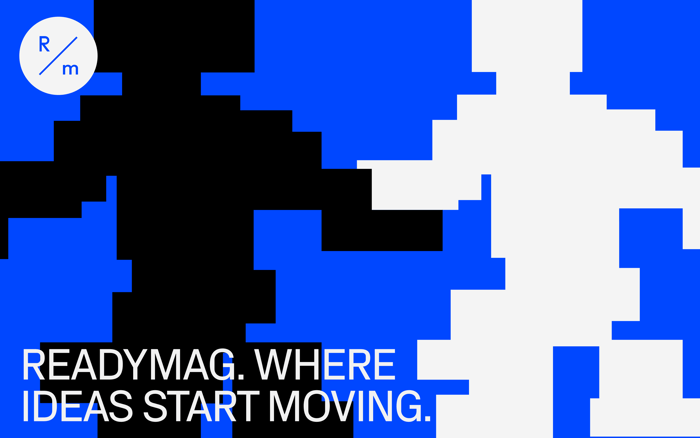
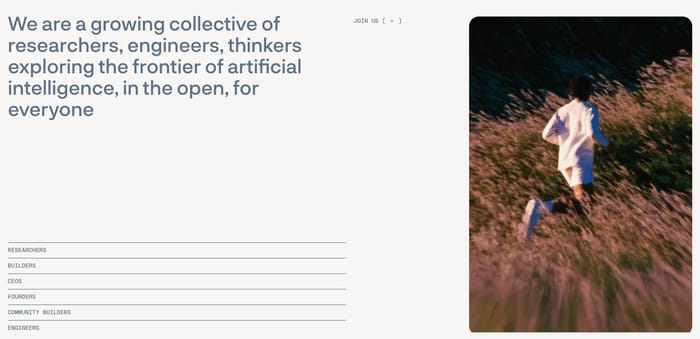
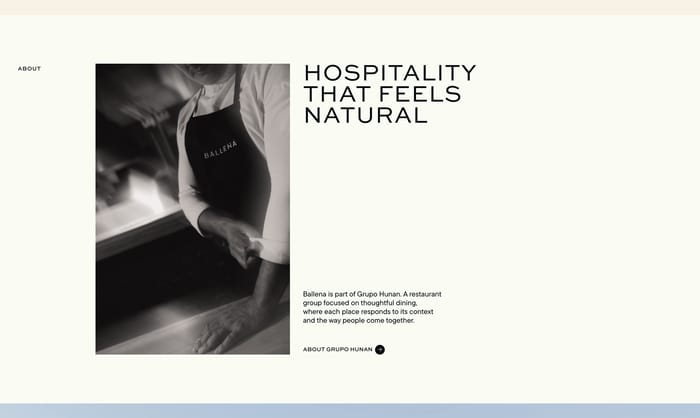
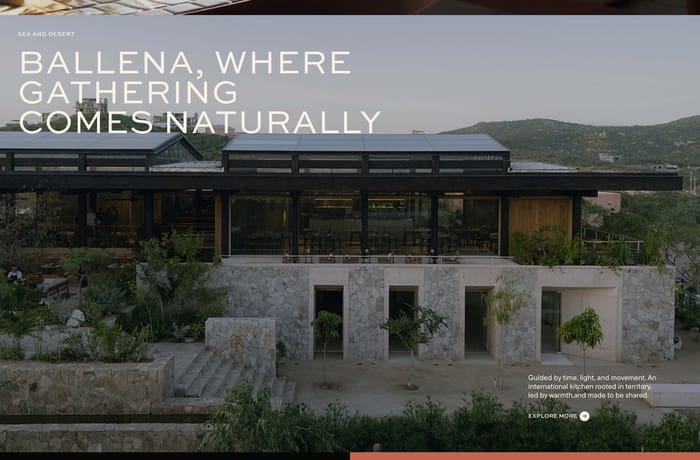
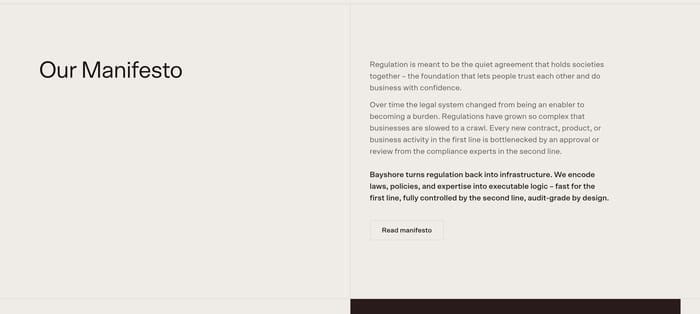
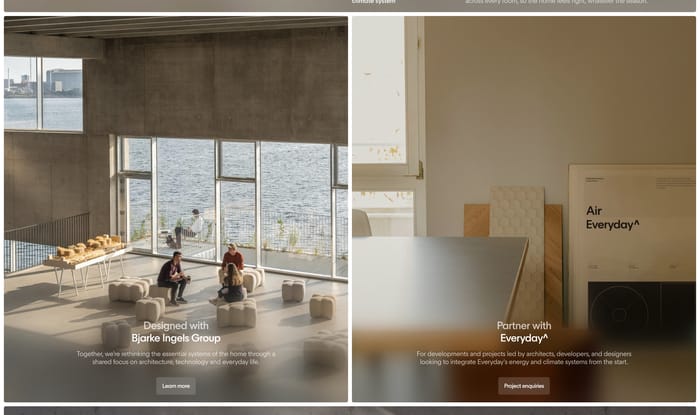
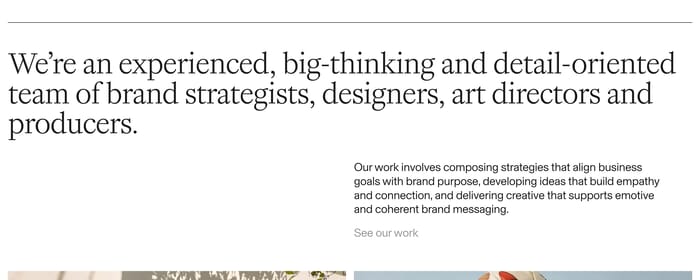
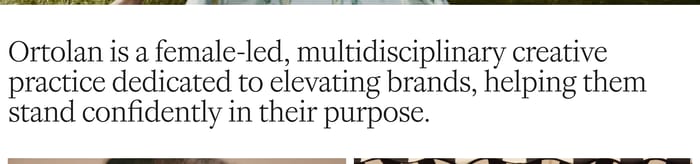
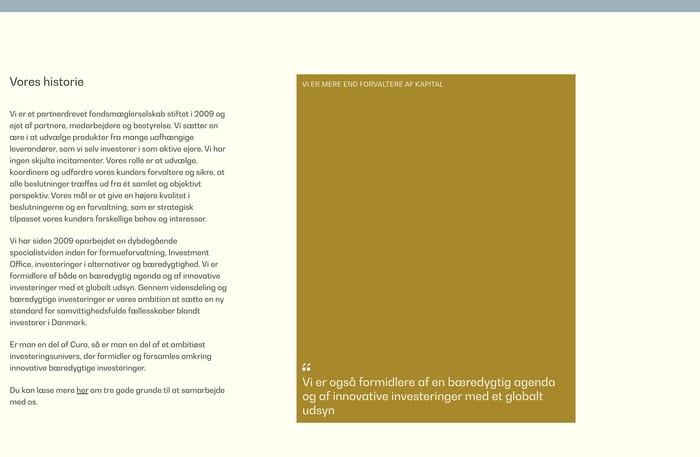
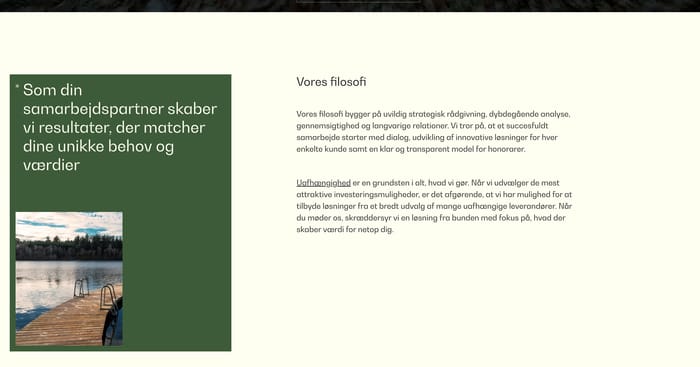
About Us sections introduce who is behind the product or service and why they exist. On a landing page they often sit after the hero as a trust reset. On dedicated about pages they can carry the whole first screen. The job is not biography for its own sake. It is to make the offer feel specific enough that a stranger can decide whether this team is for them. The collection ranges from single-paragraph house statements to founder stories, mission-and-image splits, and value arguments dressed as brand voice. Some sections are almost all type. Others lean on photography, illustration, or a media grid and keep the copy short. CTAs appear when the section is a doorway to a longer story, a team page, or a product. When the writing already answers the question, many designs stop there.

152 published examples

How to design a About Us section

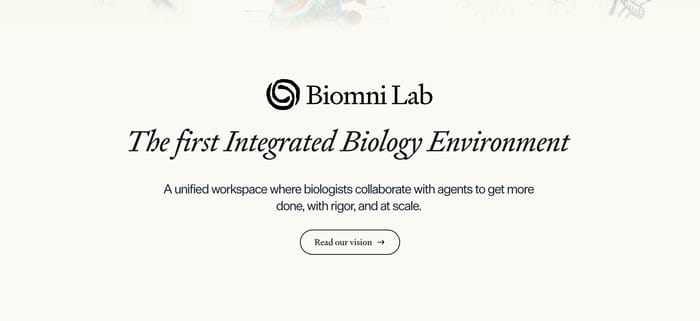
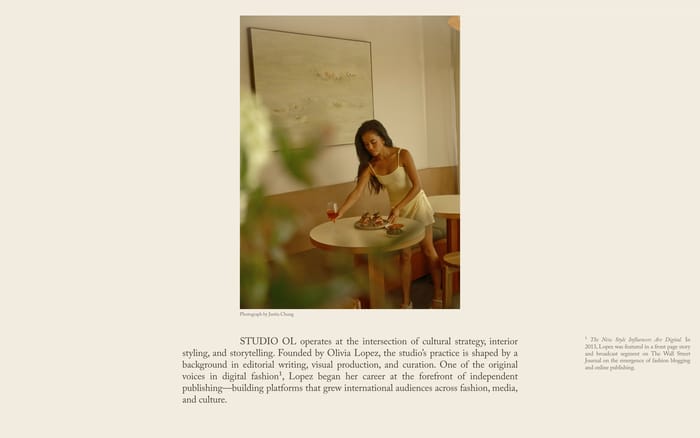
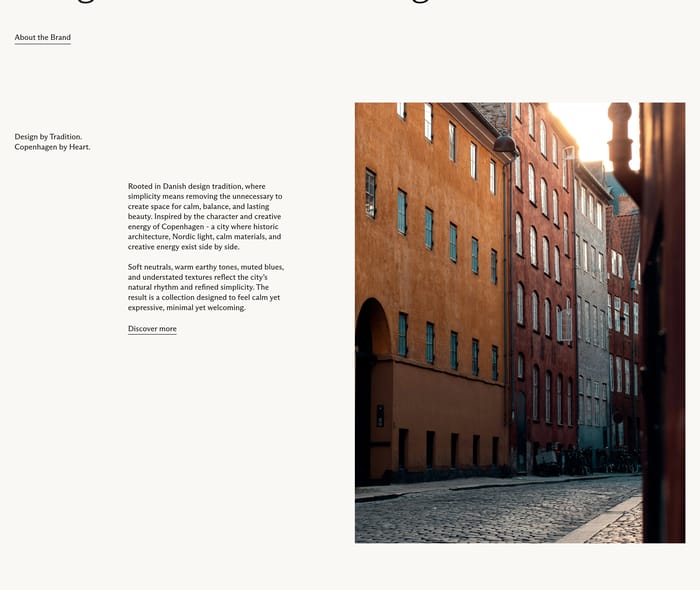
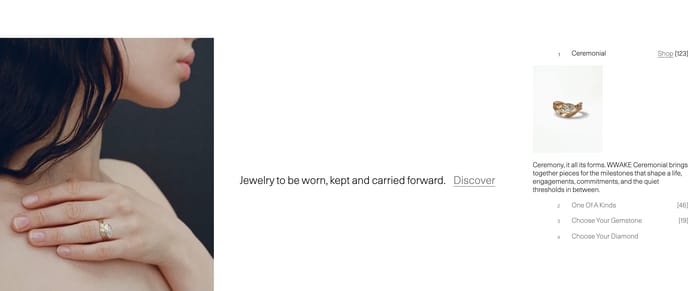
I tend to read the first sentence out loud. If it could belong to any studio, the layout will not save it. Specificity is the real hierarchy. A huge serif headline that says "we care about quality" still feels empty. A quieter block that names a method, a place, or a constraint starts to work. Watch the relationship between claim and evidence. A photo of a founder or a workshop can carry a personal story. A pressure gauge or a spa interior can carry a process story. Stock-looking lifestyle shots next to a mission line create a credibility leak. If the image could be swapped with a competitor's, it is decoration. Length is a trade-off. One dense paragraph can be enough when the type is large and the surrounding page already shows the work. Multi-column founder bios need a reason to keep scrolling, usually a turning point or a philosophy that changes how you read the product. CTAs help when the section is a teaser. They clutter when the copy is already complete. A useful review test: cover the logo and ask what category of company this is. If you cannot answer, the section is performing brand atmosphere, not introduction.

About Us design questions

How do you decide between a mission line and a story?

A mission line is enough when the rest of the page already shows method and output. A story earns space when the origin changes how someone should interpret the product: a spa beginning for skincare, a childhood grocery lesson for an investment thesis. If the anecdote does not change that interpretation, cut it back to the claim.

Where should an About Us section sit in the page?

After a hero that sells the offer, About Us is a trust check, not a second pitch. On a dedicated about page it can open the story, then hand off to team, work, or principles. Look at whether the next module answers a question the section just raised. If the following block repeats the same claim in smaller type, the sequence is stalling.

Do you need a team photo or founder portrait?

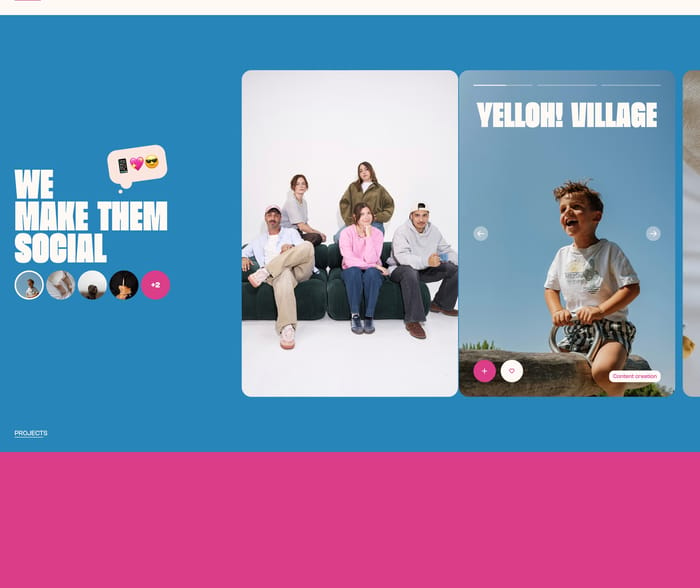
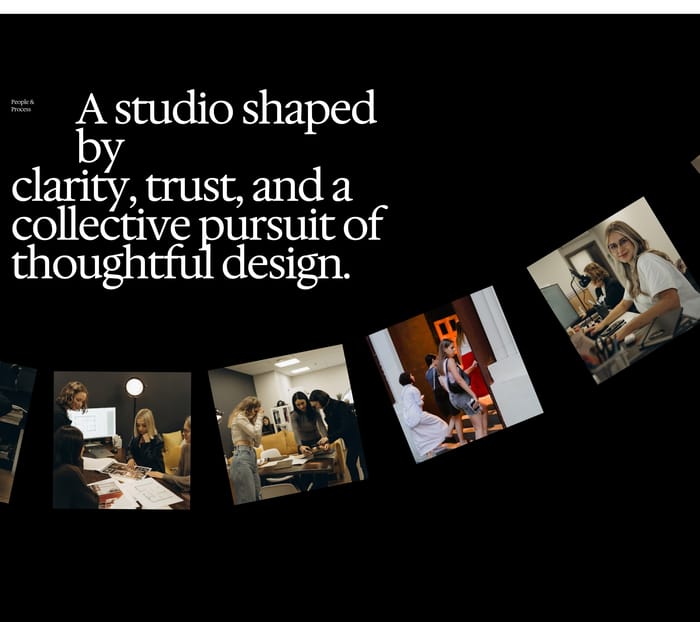
Only if the faces are part of the proof. A stacked set of avatars can humanize a studio paragraph. A circular founder portrait can lock a long bio to a real person. Generic group shots and interchangeable lifestyle families rarely add information. If removing the people would not change what you believe, the portraits are filler.

Unlock premium section designs

Go Pro to get instant access to 152 premium section designs + exclusive features

Related section categories

Curating the internet’s finest.